Expert Tips for Efficient Dumpster Loading
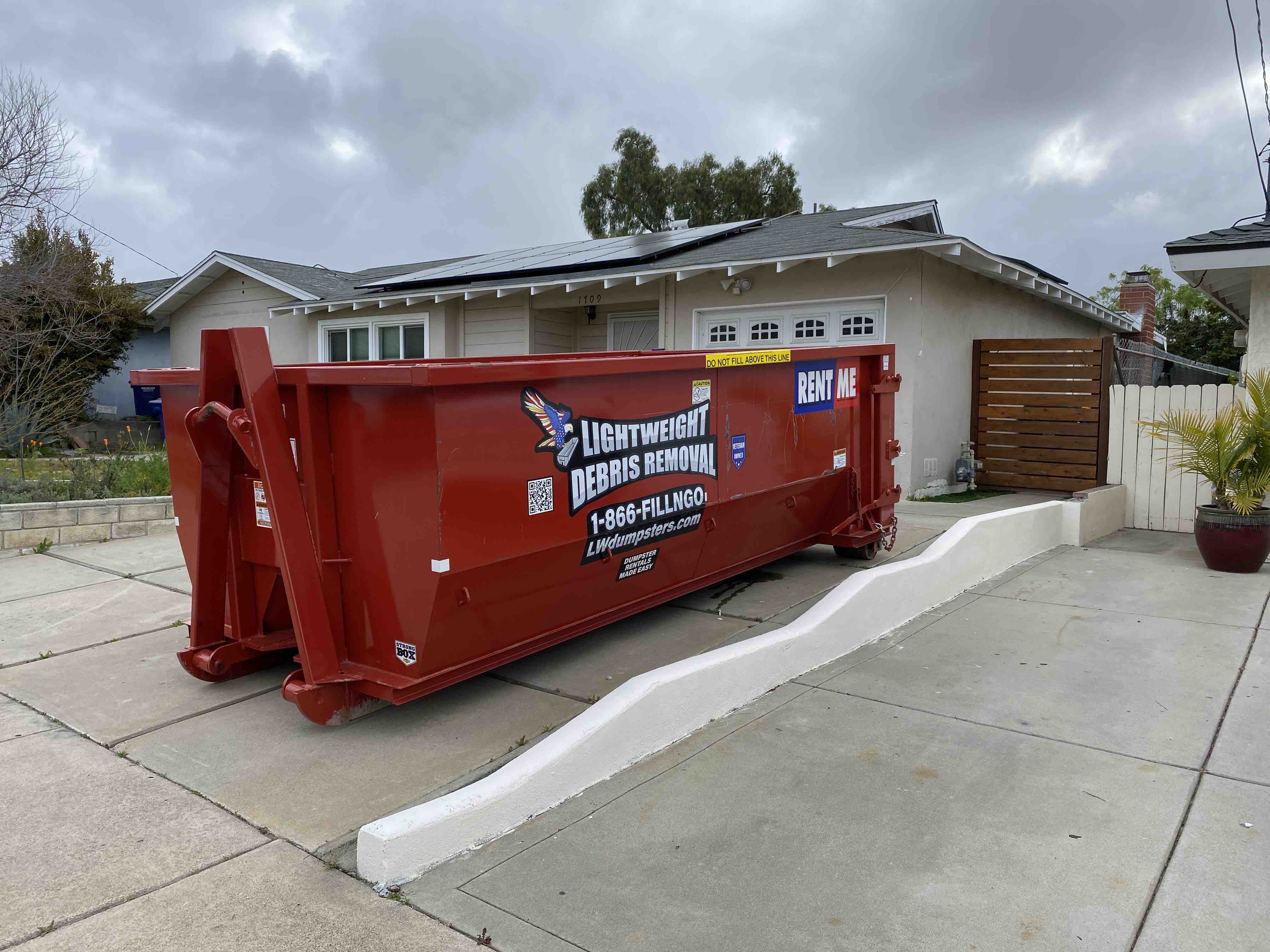
When handling a cleanup, remodeling, or construction task, you might think dumpster loading is an easy step. In reality, the placement of materials plays a key role in space use, job safety, and overall efficiency. A lot of individuals underestimate how crucial proper loading techniques are, which can cause space loss, safety hazards, and unnecessary project delays.
At Lightweight Debris Removal, we highlight that the way you load a dumpster matters as much as picking the right size. A systematic method allows you to fully utilize your dumpster and maintain a safe work zone. Our aim is to help customers gain the most from their rentals through understanding correct loading methods that minimize clutter, avoid damage, and speed up cleanup.
Organizing Before You Begin Loading
Before placing any waste into the dumpster, proper preparation is key. Evaluate the debris you plan to get more info throw away and separate recyclables or items needing careful handling. Pre-sorting creates efficiency and minimizes the hassle of re-sorting mid-process. Separating risky materials improves safety and prevents potential accidents.
Mapping out the order of loading matters just as much. Start by positioning large, heavy pieces at the bottom for balance. Then add lighter or smaller debris to fill remaining gaps. Proper planning prevents uneven distribution and potential shifting during transport. Such preparation ensures smoother operations and safer conditions overall.
Smart Space Management for Dumpster Loading
Effective space management is essential for optimal dumpster use. Disassemble big items—like cabinets or couches—before loading them. Crushing or flattening materials helps create more usable space. This lets you load more effectively and maintain even weight distribution.
You can also use a layering technique for smarter space allocation. Start with flat, dense materials on the bottom for support. Continue with smaller, lighter waste to fill the cracks and corners. Keep the load within the dumpster’s limits to ensure safe transport. Layering effectively ensures a neater, safer, and more productive loading experience.
Ensuring Safety While Loading a Dumpster
Keeping safety in mind throughout the loading process is vital. Wearing gloves, strong shoes, and protective gear helps prevent cuts and injuries. Check the surrounding space for any obstructions or items that may cause falls. Maintaining situational awareness prevents accidents and improves teamwork.
Do not hurl or drop debris from afar into the container, since this could result in shifting, accidents, or property harm. Instead, place objects deliberately and with control. Seek help when lifting oversized objects to prevent strain or accidents. By practicing caution, you maintain both productivity and protection on-site.
Efficiently Sorting and Arranging Materials
Sorting materials before and during dumpster loading is one of the best ways to maintain order. Separate different materials like wood, metal, and household refuse for easier management. This practice makes loading and unloading smoother while simplifying disposal later. You’ll also easily spot recyclable materials, reducing waste and encouraging sustainable habits.
Proper organization eliminates the hassle of moving things around later. Place lightweight materials such as cardboard or fabric on top, while heavy objects go below. This keeps lighter waste from being blown away and maintains load stability. Staying methodical enhances workflow efficiency and maintains professionalism.
Safeguarding Surfaces When Using a Dumpster
Though dumpsters are designed for strength, the ground beneath them may not be. Placing wooden planks or similar barriers underneath distributes weight and prevents surface damage. Such a simple step goes far in preserving the condition of your working area.
Where you position the dumpster affects both convenience and safety. Select a flat, accessible space that allows for smooth loading and avoids blocking driveways or walkways. Avoid positioning the dumpster too close to structures or landscaping features that could be damaged. By combining smart placement with surface protection, you create a safer and cleaner workspace.
Efficient Dumpster Use for Major Projects
Major cleanup efforts can produce a steady stream of waste that requires planning. Prepare a sorting zone to prearrange waste and make the loading phase smoother. It promotes even weight distribution and reduces inefficiencies mid-project.
Strong collaboration and clear direction make the process more effective. Give each worker defined roles like lifting, sorting, or compressing waste. When everyone knows their tasks, the process runs faster and stays organized. Planning and cooperation are vital for completing big projects without unnecessary setbacks.
Understanding Restricted Dumpster Items
Certain items aren’t permitted in regular dumpsters, making awareness essential. Materials like paints, batteries, and chemicals require special disposal methods. Improper disposal can damage the environment and lead to regulatory issues. Always confirm what’s allowed before starting to load your dumpster.
Never load the container above its designated fill line or weight limit. Overflowing containers lead to instability and may require extra handling. Proper loading maintains safe handling and regulatory compliance. Awareness of limits helps avoid issues during collection and hauling.
Partnering with a Reliable Dumpster Rental Provider
Collaborating with a dependable provider makes any cleanup smoother and more efficient. Lightweight Debris Removal delivers dependable and professional dumpster solutions to simplify cleanup for any project. From drop-off to collection, our team ensures a seamless and worry-free rental experience.
Selecting a customer-focused company enhances your rental experience. Attention to detail, communication, and timeliness create successful outcomes. Lightweight Debris Removal is devoted to helping clients achieve organized, secure, and efficient results through expert guidance and responsible use.
Building a Well-Structured and Productive Work Area
The way you load your dumpster can significantly affect project performance. Keeping order at the site minimizes distractions and enhances coordination. Through planning and efficient methods, you’ll complete jobs faster and cleaner.
Lightweight Debris Removal encourages clients to see dumpster use as more than just disposal. It’s a chance to boost safety, save time, and protect your surroundings. Through foresight, precision, and teamwork, dumpster loading transforms into a vital part of success.